The School of Biomedical Engineering of the University of Science and Technology of China (USTC) takes the cultivation of talents as its primary task, adheres to the philosophy of "high-quality schooling and education of excellence", insists on the fine tradition of "broad and thick foundation, refined and new specialty", and constantly improves and perfects the cultivation system of graduate students. In the process of development, the school has been practicing the principle of full and all-round education, utilizing culture and practice to educate and integrates local resources and platforms. The school launches a series of specialized practice research activities. The purpose is to help students understand the frontier of scientific research and industrial development of biomedical engineering in Suzhou, to unite knowledge with practice, to search for true knowledge by doing, and to guide students to serve the national and regional development strategies with what they have learned, and to be educated and grow in practice.
On September 24, 2022, with the careful arrangement of the school, the students went to the Suzhou Medical Institute of Chinese Academy of Sciences (SMICAS) to start the first stop of the field research.
In the afternoon of September 24, the students arrived at the SMICAS, which is located in the Science and Technology City of Huqiu District, Suzhou. Mr. Jiang Xianfeng of the institute organized a team of volunteers to guide the visit and practical activities of each laboratory.
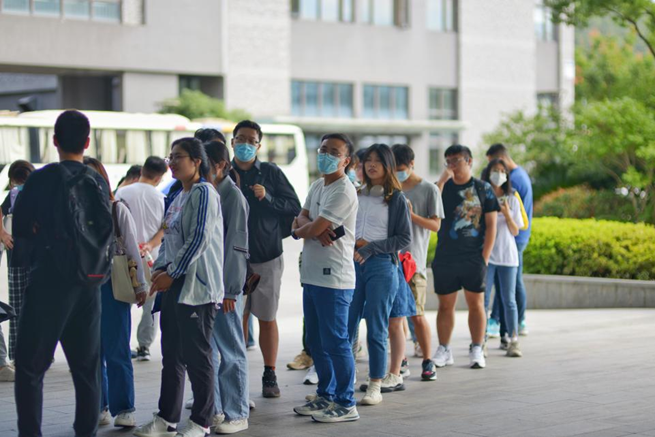
Visit to the exhibition hall of SMICAS.
Mr. Jiang Xianfeng led the students to visit the exhibition hall of the Institute of Medical Technology and introduced the development status and research direction of the Institute in detail.
Visit to the laboratories of SMICAS.
In the rehabilitation room, students visited the geriatric care and monitoring room, the scene intervention rehabilitation therapy room, and the cognitive and motor dysfunction and assessment system. Researchers in the optical room introduced the imaging principles of a variety of optical microscopes independently researched by SMICAS. Researchers in the medical imaging center demonstrated the hardware design of the active homogenization field in the nuclear magnetic imaging equipment and gave a live demonstration. Engineers in the engineering center showed a variety of medical instruments under research. During the visit, the students actively interacted with the teachers of the laboratories. They got answers to the questions in their mind and benefited a lot from this visit.
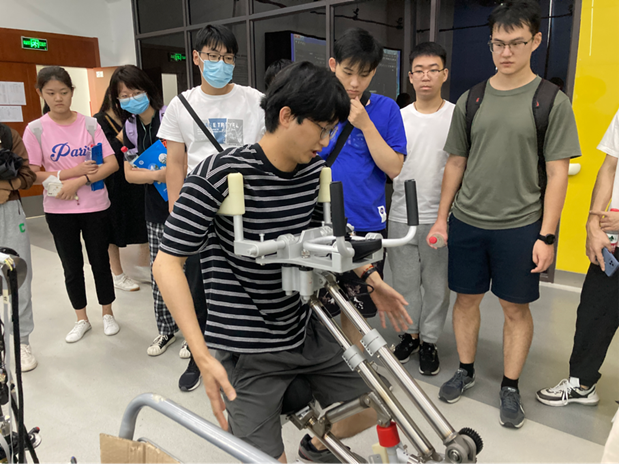
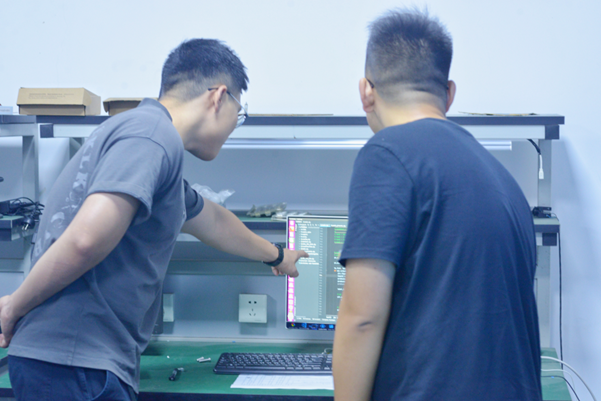
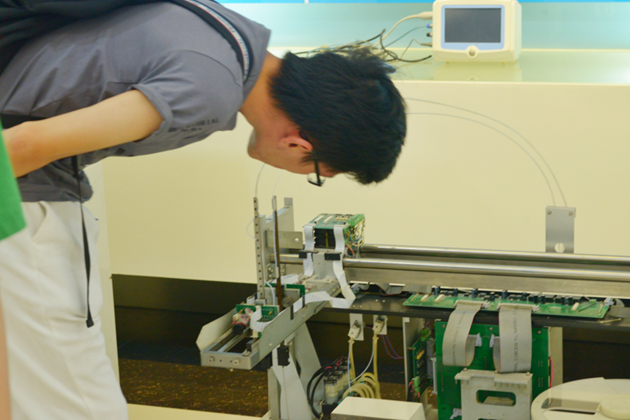
The practical activities were well organized, rich in content and highly compatible with the students’ major, which deepened the students' understanding of the frontier research direction of biomedical engineering and further promoted the communication between the college and Suzhou Medical Technology Institute.
It's hoped that the students will cherish the opportunity of field visit, with questions, with thoughts, and strive to transform the knowledge accumulation into a powerful force to promote social development and improve medical services.

